Baseball is full of traditions and unwritten rules, but one of the simplest has always stood above the rest: when a kid catches a ball, you let them keep it. That sacred moment — the joy on a young fan’s face when they clutch a foul ball or home run — has been part of the sport’s magic for more than a century. But this week, that magic was shattered in Philadelphia, when a viral clip of a woman snatching a home run ball from a boy’s hands outraged fans across the country.
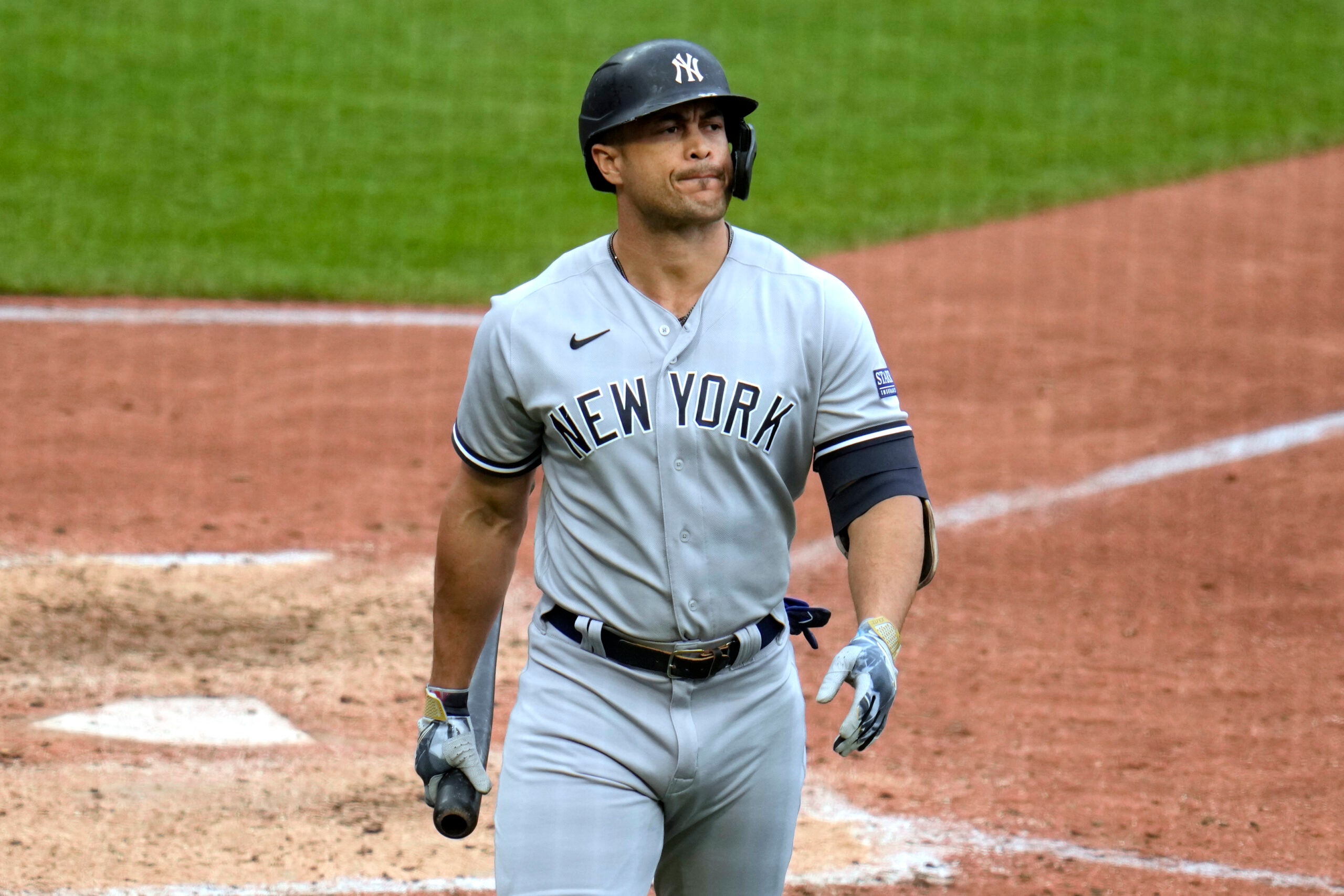
The incident has been replayed millions of times online, and reactions have poured in from every corner of the sports world. Now, one of baseball’s biggest stars has joined the chorus — and he isn’t mincing words. Yankees slugger Giancarlo Stanton, a veteran of countless home run highlights himself, erupted in anger when asked about the clip.
“It’s a disgrace to the game,” Stanton said flatly. “We play this sport for the fans, especially for kids. To see a moment like that ruined — it makes me sick. If it were up to me, she’d never set foot in another ballpark again. Ban her for life. That’s the only way you send a clear message.”
The Viral Moment
The saga unfolded during a Phillies home game, when a long drive into the right-field stands was caught cleanly by a father, who immediately turned to hand the ball to his young son. The boy’s face lit up — a dream moment for any kid at a baseball game. But within seconds, the mood soured.
A woman sitting nearby, later nicknamed “Phillies Karen” online, confronted the father and child, insisting the ball was “hers.” Video shows her gesturing aggressively before snatching the ball away as stunned fans booed. The boy was left visibly upset, clutching his father as the woman walked off.
The clip spread across Twitter, TikTok, and Instagram within minutes, quickly drawing condemnation from fans, former players, and media personalities.
Stanton’s Outburst
For Stanton, the issue hits particularly close to home. As one of MLB’s most prolific home run hitters, he has launched hundreds of balls into the stands — and he has always emphasized that the joy of seeing fans catch them is one of his favorite parts of the game.
“When I hit a home run and see a kid catch it, that’s the highlight for me,” Stanton explained. “That’s baseball. That’s why we do this. So to watch someone take that away — it’s unforgivable.”
Stanton didn’t hold back when pressed on what should happen next. “If MLB doesn’t step in, then what’s the message? That this kind of behavior is okay? It’s not. It damages the sport. We talk about growing the game and making it special for the next generation — well, how does that kid feel now? That’s the kind of memory that can turn someone away from baseball forever.”
Fan and Media Reaction
Fans quickly rallied behind Stanton’s words. Within hours, hashtags like #StantonIsRight and #BanHerForLife were trending, with Yankees fans and Phillies fans alike agreeing on one thing: the woman’s actions had crossed a line.
ESPN’s morning shows replayed Stanton’s comments, with one analyst remarking, “When Giancarlo Stanton, who’s hit some of the most iconic home runs of the last decade, says this ruins the game — you listen.”
Sports Illustrated ran an editorial calling the incident “a black eye on fan culture,” urging MLB to consider official punishments for egregious cases like this. Meanwhile, SportsCenter anchors described Stanton’s response as “the strongest rebuke yet” from a player.
The Broader Debate: Should Fans Be Banned?
Stanton’s call for a lifetime ban reignited a larger conversation about fan behavior. While stadiums routinely eject unruly attendees, permanent bans are far less common. Critics argue that such punishments may be excessive, while supporters say they are necessary to protect the sanctity of the game-day experience.
Former MLB pitcher CC Sabathia chimed in on his podcast, agreeing with Stanton. “You can’t let that slide. That ball was for that kid. End of story. If you don’t enforce it, you’re just inviting more of it.”
Others argued for a middle ground, suggesting shorter bans or mandatory community service programs tied to youth baseball. Still, the overwhelming sentiment remained: fans must respect children at ballparks, or risk losing the privilege to attend.
The Phillies’ Response
While MLB has yet to issue an official statement, the Phillies organization reportedly reached out privately to the family involved. Insiders suggest the team is considering compensating the boy with signed memorabilia and an invitation to a future game.
Publicly, the Phillies declined to address Stanton’s comments directly but released a brief note saying they were “aware of the incident and reviewing the matter internally.”

A Child’s Moment Lost
At the center of all this is the child whose moment of joy was stolen. Witnesses described him as being in tears after the ball was taken. The father later explained that he gave up the ball to avoid a confrontation escalating in front of his son. “No baseball is worth putting him through that,” he said. “But it broke my heart to see his face after it happened.”
Stanton addressed the boy directly during his remarks. “Kid, if you’re watching — don’t let one bad person ruin the game for you. Baseball is bigger than that. There are millions of fans and players who love you and would have cheered for you. That was your ball. Don’t ever forget that.”
A Story That Transcends Rivalries
What’s remarkable about the “Phillies Karen” saga is how it has united fans across rival lines. Yankees supporters, Phillies die-hards, Red Sox faithful — everyone seems to agree that this type of behavior has no place in baseball.
It’s rare in the hyper-polarized world of sports for consensus to emerge so quickly, but this incident touched something fundamental: the innocence of children at the ballpark. For a sport battling to engage younger audiences, protecting those moments is crucial.
Stanton’s Legacy Off the Field
For Stanton, his comments also highlight his evolution into a veteran leader. Once seen primarily as a power hitter with injury concerns, he has grown into a respected voice for players and fans alike. By speaking out so strongly, he demonstrated not just his passion for baseball but also his commitment to its future.
His words carry weight not just because of who he is, but because of what he represents: a player who has given countless fans souvenirs, smiles, and lifelong memories.
Conclusion: A Clear Message
Whether MLB acts on Stanton’s demand remains to be seen, but one thing is certain: the viral incident and his fiery response have placed the spotlight squarely on fan behavior. For now, Stanton’s voice has amplified the outrage, reminding everyone of what matters most — the joy of the game, especially for children.
As the Yankees slugger put it: “No kid should ever lose their dream moment because of selfishness. That’s not baseball. That’s not who we are.”
And across the baseball world, fans nodded in agreement.


