The National Football League has always been known for its intensity, rivalries, and passionate fan bases, but what unfolded in Buffalo has drawn global attention. A situation that was initially expected to be a typical display of hometown enthusiasm escalated into chaos when hundreds of Buffalo Bills supporters gathered outside the hotel where the Baltimore Ravens were staying. Witnesses described a tense and hostile atmosphere as fans shouted, cursed, and even threw objects at the Ravens’ team bus. This shocking display of aggression has sparked heated debates about sportsmanship, fan behavior, and the role of security in ensuring the safety of professional athletes.
The incident occurred just hours before the highly anticipated matchup between the Ravens and the Bills, two teams with strong playoff aspirations. According to reports, the fans began assembling outside the hotel late at night, carrying banners with provocative messages designed to intimidate the Ravens players. Many shouted phrases aimed at breaking the team’s spirit before they even stepped onto the field. The noise level was described as overwhelming, with chants and insults echoing throughout the street, disturbing not only the Ravens but also local residents and hotel guests.

Security officials on-site were initially caught off guard by the sudden influx of fans. However, as the crowd grew larger and more aggressive, additional police officers and private security teams were dispatched to the area. Their primary objective was to prevent direct confrontations between the fans and the Ravens’ players or staff. Tensions escalated further when objects were reportedly thrown at the team bus as it attempted to leave the hotel premises. Though no injuries were confirmed, the incident has raised serious concerns about player safety and fan control.
Several witnesses claimed that some fans carried banners with words so provocative and offensive that they crossed the line from spirited support to outright harassment. These actions were interpreted by many as an intentional strategy to mentally destabilize the Ravens before the game. One bystander commented that the situation resembled more of a street protest than a pre-game celebration. The level of hostility shocked even seasoned sports journalists, many of whom stated that while rowdy fan behavior is common, this incident represented a dangerous escalation.
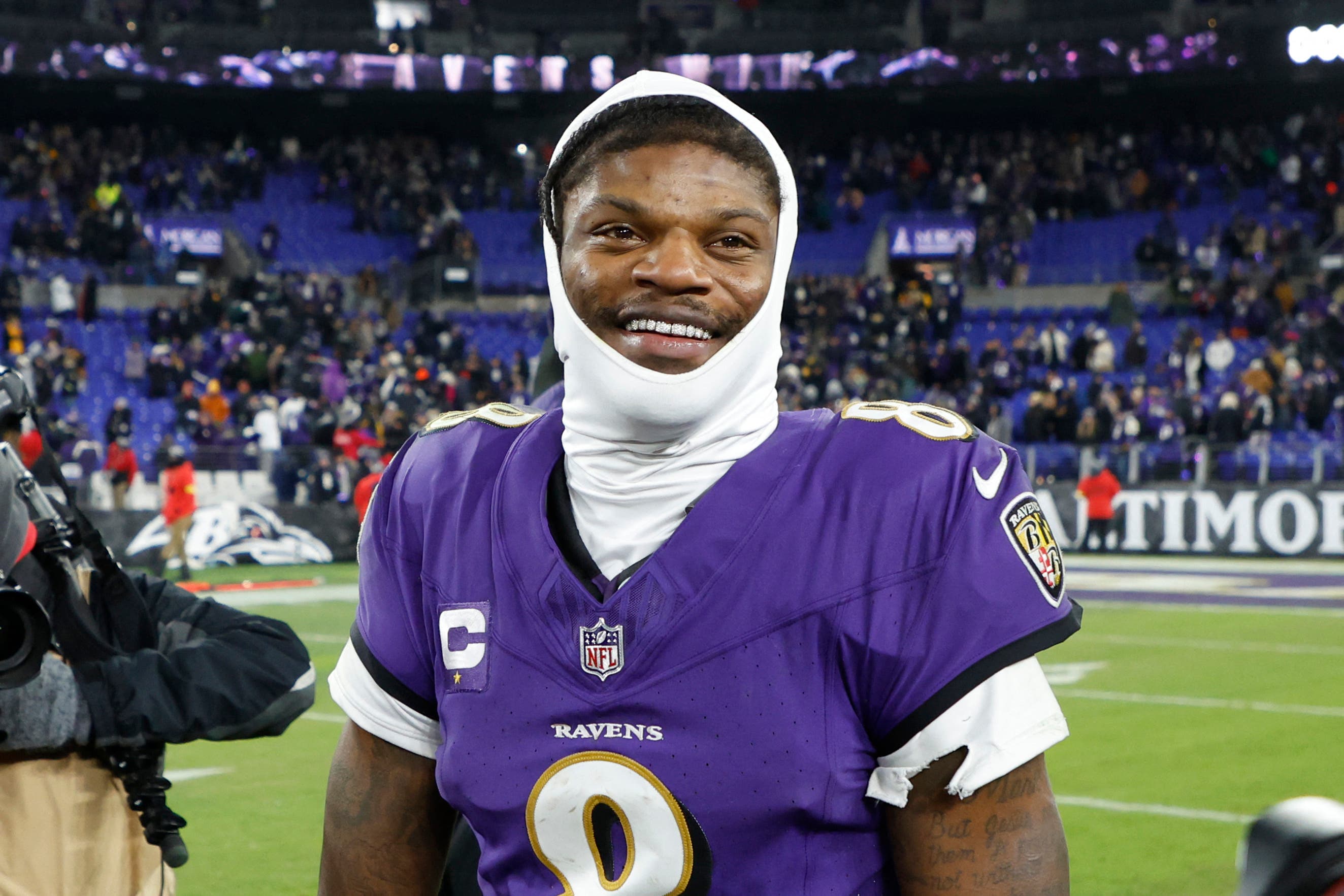
The presence of Lamar Jackson, the Ravens’ star quarterback, has added an additional layer of controversy to the story. Reports suggest that Jackson was particularly affected by the aggression, and there are even rumors that he is considering legal action against fans involved in the confrontation. Some sources indicated that Jackson was overheard saying he felt the Ravens were being unfairly targeted and that no professional athlete should have to endure such hostility outside the stadium. His potential lawsuit, if pursued, could set a precedent for how athletes respond to extreme cases of fan harassment.
Sports analysts have been quick to weigh in on the broader implications of the incident. On one hand, football has always thrived on the energy and passion of its fans, who create some of the most intense game-day atmospheres in professional sports. On the other hand, experts argue that there is a clear line between passionate support and dangerous aggression. When fans begin throwing objects, shouting threats, and creating an unsafe environment, the very spirit of competition is undermined. The NFL has yet to release an official statement, but many expect the league to review its security protocols in response to the events in Buffalo.

The Buffalo Bills organization has also faced criticism for not doing enough to control their fan base. While it is common for home fans to attempt to unsettle visiting teams, critics argue that the Bills should have anticipated this level of hostility and coordinated with law enforcement in advance. Some believe that the franchise has a responsibility not only to its own players but also to visiting teams to ensure a safe and professional environment. The image of Bills fans pelting the Ravens’ bus with objects risks damaging the reputation of one of the NFL’s most respected fan communities.
Local residents, meanwhile, have expressed mixed feelings about the incident. Some sympathize with the frustrations of Bills fans, who are known for their fiery loyalty and emotional investment in their team. Others, however, condemn the behavior as unacceptable and embarrassing for the city of Buffalo. Social media platforms quickly lit up with videos and photos of the scene, many of which went viral within hours. Hashtags related to the Ravens, Bills, and NFL fan behavior began trending nationwide, sparking debates about the limits of fan engagement.
Psychologists who study sports culture have pointed out that such behavior can be linked to what is often called “deindividuation,” where individuals in large crowds feel emboldened to act in ways they never would on their own. The anonymity and energy of the group can create an environment where extreme behavior becomes normalized. In this case, the mix of alcohol, rivalry, and late-night adrenaline likely fueled the chaotic atmosphere. Without proper crowd control measures, situations like this can spiral out of control quickly, placing athletes, fans, and bystanders at risk.
As the Ravens prepare for their upcoming games, the psychological impact of the Buffalo incident may linger. Athletes are trained to deal with pressure, but being harassed outside the field of play is a different challenge altogether. Teams rely on structured routines, rest, and mental focus before big games, and disruptions like this can have a measurable effect on performance. Analysts speculate that the Ravens’ preparation may have been compromised, potentially affecting their ability to perform at their best.
Looking ahead, the NFL will be under pressure to strengthen its policies regarding fan interactions with visiting teams. This could involve stricter restrictions on access to team hotels, greater coordination with law enforcement, and harsher penalties for fans who engage in dangerous behavior. While passionate fandom is an integral part of the NFL experience, ensuring player safety must remain the league’s top priority. Allowing situations like the Buffalo incident to go unchecked could encourage similar behavior in other cities, creating a dangerous precedent.
The controversy also raises questions about legal accountability. If Lamar Jackson or other Ravens players pursue legal action, courts may need to decide whether fans can be held liable for creating unsafe environments outside of stadiums. Such cases would not only test existing laws but could also reshape the boundaries between athletes and fans. While some argue that professional athletes should expect a certain level of hostility, others insist that no one should be subjected to harassment and threats in their private spaces.
For now, the Ravens are trying to put the incident behind them and focus on their performance on the field. Yet the memory of Buffalo’s hostile welcome will not soon be forgotten. The event serves as a stark reminder that passion for sports can be both a unifying force and a destructive one, depending on how it is channeled. As the NFL community reflects on what happened, one thing is clear: the league must find a way to protect its players without diminishing the spirit of its fans.
The story of Bills fans clashing with the Ravens before a major game will likely continue to unfold in the coming weeks. With ongoing discussions about fan behavior, security, and legal consequences, this incident may prove to be a turning point in how the NFL approaches one of its most powerful yet unpredictable assets: its fans.


