Moment of silence at Citizens Bank Park: Philadelphia Phillies president John Middleton emotionally calls on fans to honor Charlie Kirk
In a moving and powerful tribute at Citizens Bank Park, Philadelphia Phillies president John Middleton called on the team and tens of thousands of fans to observe a moment of silence in honor of Charlie Kirk, the founder of Turning Point USA, who was tragically assassinated at the age of 31 in Utah. Middleton’s heartfelt speech reflected the lasting impact Kirk made on the American patriotic movement, emphasizing the unity, shared beliefs, and aspirations that Kirk’s leadership embodied.
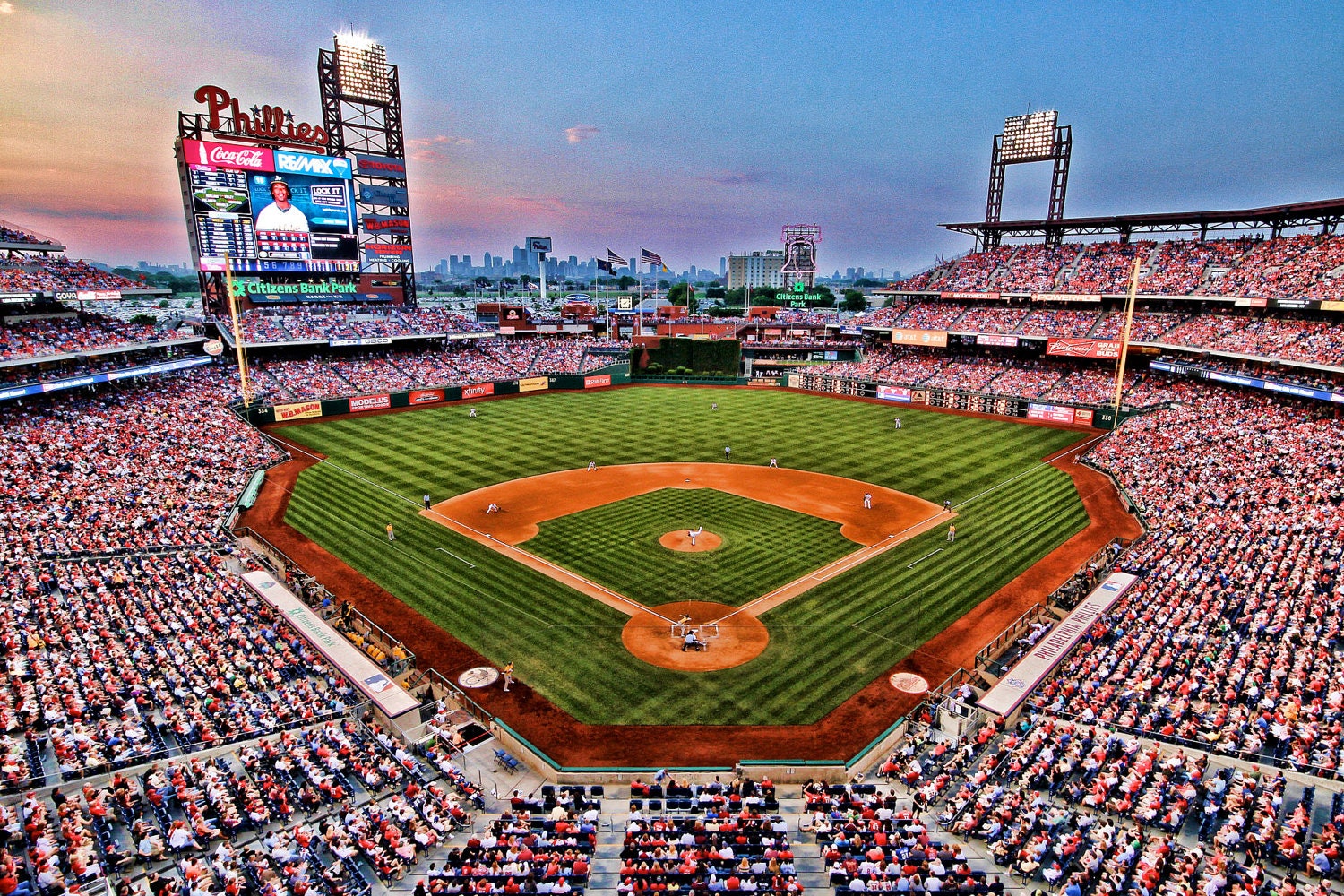
The event took place during a packed game day where the Phillies fans, team members, and staff paused in solemn remembrance. Middleton addressed the crowd with deep emotion, reminding everyone of Kirk’s profound influence on countless young Americans who found in him a voice for their values and hopes. He described Kirk not just as a political activist but as a unifying symbol who stirred a renewed sense of patriotism across the nation.
Charlie Kirk’s story is one of rapid rise and deep resonance within the political landscape. As the founder of Turning Point USA, Kirk inspired a nationwide movement that encouraged youth engagement in conservative politics, advocating for personal responsibility, free speech, and civic activism. His tours and speeches electrified campuses and communities, sparking vibrant dialogues and fostering a new generation of politically active young Americans.
His assassination, which occurred during a public event at Utah Valley University, sent shockwaves through the country. A single gunshot, fired while Kirk was speaking, fatally wounded the outspoken leader, triggering a nationwide mourning and a fervent search for justice. The incident has been labeled a political assassination by numerous officials, underlining the perilous climate faced by public figures in today’s polarized society.

Middleton’s speech underscored the courage and resilience of Kirk’s legacy. “Charlie Kirk’s vision was not only about politics; it was about bringing people together around shared American ideals,” Middleton said. “We gather here today not just to mourn a loss but to recommit ourselves to the unity and patriotism he so passionately championed.”
The moment of silence was observed with profound reverence, with thousands reflecting quietly on Kirk’s life and message. Fans held hands, bowed heads, and some shed tears, understanding the gravity of losing such a vibrant figure in a time when dialogue and patriotism are crucial.
Social media quickly amplified the tribute, with video clips of Middleton’s speech and the silent crowd circulating widely, drawing comments from supporters who praised the Phillies for using their platform to honor Kirk’s memory. The gesture was seen as a call for peace, respect, and continued commitment to the ideals Kirk represented.

Leaders from across the political spectrum attended or publicly acknowledged the tribute, expressing solidarity against political violence and support for democratic values. President Donald Trump, a close ally of Kirk, called the loss “deeply painful” and urged Americans to come together in the face of division.
The political discourse and national conversation spurred by Kirk’s assassination and this public memorial in Philadelphia reflect broader concerns about safety, respect, and the future of civic engagement in the United States. It reminds the public and political leaders alike of the urgent need to protect free expression while fostering a culture that respects differing viewpoints.
As the Phillies and their fans moved forward after the tribute, many expressed hope that Kirk’s death would not be in vain. His aspirations for a united, engaged America remain a beacon. Middleton’s call to honor Kirk by embracing shared beliefs is a poignant reminder that even in tragedy, a collective vision for the nation’s future endures.
This moment at Citizens Bank Park stands as a testament to the deep connection between sports, community, and national identity. It shows how in moments of loss, stadiums become not just arenas of competition but spaces of collective mourning, remembrance, and inspiration.


