On September 11, 2025, the United States paused once again to honor and remember the nearly 3,000 lives lost during the tragic terrorist attacks that shook the nation twenty-four years ago. While memorial services, moments of silence, and tributes took place across the country, one notable voice in the world of sports drew attention: Houston Astros owner Jim Crane. Known for his business success and influence in Major League Baseball, Crane has now become part of a growing conversation about how sports leagues, particularly the NFL, should commemorate the anniversary of September 11 in a more formal and permanent way.
Crane’s remarks come at a time when America continues to grapple with how best to preserve the memory of those who perished on that fateful day. His message was not only a reflection of personal emotion but also a public call for action. Speaking to media outlets, he emphasized the importance of unity, respect, and national solidarity. According to Crane, the annual remembrance of 9/11 should be elevated into a formal day of mourning recognized not only by government institutions but also by the cultural powerhouses of the country, including professional sports leagues. His words resonated widely, striking a chord among fans, athletes, and everyday Americans who see sports as an essential fabric of national identity.
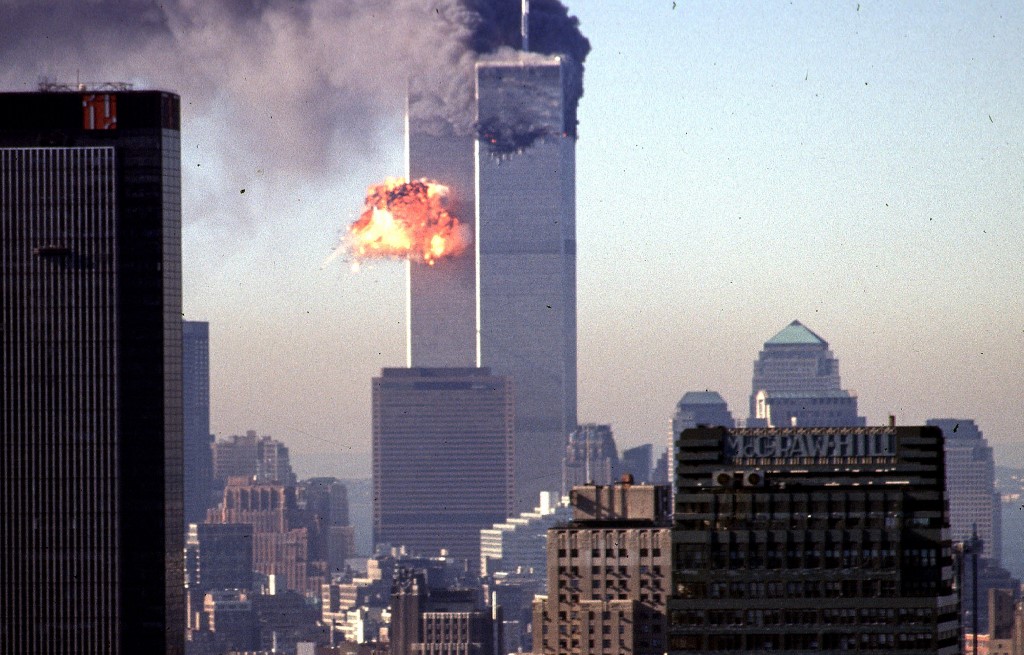
The connection between sports and national tragedy has long been significant. After the attacks in 2001, Major League Baseball, the NFL, and other major leagues temporarily suspended games. When play resumed, stadiums became places of collective healing, where the singing of the national anthem carried new weight and where moments of silence bonded fans across divisions of team loyalty. Baseball legends, football icons, and countless athletes participated in ceremonies that paid homage to victims and first responders. Jim Crane is urging that this spirit of collective remembrance should not fade as years go by but should be institutionalized into the cultural rhythm of America’s most beloved sports.
Crane’s specific call for the NFL to take a leadership role has particular relevance. The league commands one of the largest audiences in American entertainment, with millions tuning in each week. A nationally designated day of mourning observed by the NFL would ensure that the memory of 9/11 reaches younger generations who may not have lived through the event. It would also serve as a reminder that the values of resilience, sacrifice, and unity are not bound by time. By connecting remembrance to the broad platform of football, the country could anchor the legacy of 9/11 into one of the most visible cultural stages.
This perspective has sparked discussions not only among sports fans but also within the media and political spheres. Advocates argue that as the number of years since the tragedy grows, there is a risk of younger Americans viewing September 11 as a distant piece of history rather than a lived national trauma. Jim Crane’s appeal underscores the urgency of proactive measures to preserve memory and ensure respect for those who suffered. In his statement, he highlighted that honoring the victims should transcend partisan politics and become a shared responsibility across all American institutions.

The idea of 9/11 as a national day of mourning is not entirely new. Each year, federal and state governments organize ceremonies, and presidents traditionally attend services at memorial sites such as Ground Zero in New York City, the Pentagon in Washington, D.C., and Shanksville, Pennsylvania. Yet what Crane is proposing is more cultural than legislative. He envisions sports as a central arena for remembrance, given their unparalleled reach and emotional influence. By integrating formal moments of silence, special ceremonies, and national tributes into sporting events, leagues like the NFL could amplify the collective power of memory. He believes this would honor victims, support survivors and families, and remind Americans of the importance of unity in times of adversity.
The Astros owner also acknowledged the personal stories tied to 9/11, noting that the tragedy touched countless families across the United States. For many, September 11 is not just a date on the calendar but a painful reminder of loved ones lost. Crane expressed that sports organizations have a duty to stand with these families, ensuring that their grief is honored and their sacrifices remembered. The proposal for an official day of mourning in sports is, therefore, both symbolic and deeply human. It would reaffirm the promise that the nation will never forget the lives taken, the heroes who responded, and the resilience of a country that came together in the aftermath.
Critics, however, have raised questions about whether sports leagues should be tasked with such a solemn responsibility. Some argue that while sports can play a supportive role, the responsibility for national remembrance lies primarily with government institutions and educational systems. Others worry that attaching such observances to sports events risks trivializing the gravity of the tragedy. In response, supporters of Crane’s idea point out that sports have historically played a vital role in uniting people during moments of national crisis. From post-war baseball games to Olympic competitions held after global conflicts, sports often provide a stage for national healing. The integration of 9/11 remembrance into the NFL’s calendar would not replace official ceremonies but rather complement them, ensuring that memory resonates across every corner of American culture.

As the United States reflects on 24 years since the shocking attacks, the debate over how best to honor the victims continues. Jim Crane’s voice adds a new dimension, highlighting the role of sports in shaping cultural memory. His call for 9/11 to be recognized as a national day of mourning across the NFL may not yet be official policy, but it has sparked meaningful conversation. Fans, athletes, and officials are now considering the broader implications of how remembrance can be woven into the nation’s collective identity. Whether or not the NFL adopts such a measure, the discussion itself serves as a testament to the enduring impact of 9/11 on American consciousness.
What is clear is that the memory of September 11, 2001, remains as relevant as ever. For families of victims, for survivors, for first responders, and for the nation as a whole, the wounds may never fully heal, but remembrance ensures that the sacrifices are not forgotten. Jim Crane’s remarks remind Americans that the responsibility to remember does not diminish with time. Rather, it grows more important as new generations emerge. By proposing that sports take on a formal role in remembrance, he is urging the nation to keep alive the lessons of unity, resilience, and compassion that defined the response to tragedy.
In the years to come, the way America remembers 9/11 will continue to evolve. Whether through government declarations, educational initiatives, or cultural practices, the goal will always remain the same: to honor the fallen, to support the living, and to remind the nation of its strength in the face of adversity. Jim Crane’s call may be one step in that ongoing journey, one that challenges both sports and society to ensure that the memory of 9/11 never fades into the background of history but remains an active, unifying force in American life.


