The Paradox of Failure: How Angel Reese’s Viral Struggles Created a Nightmare for Reebok
In the world of sports marketing, endorsements are everything. Brands invest millions to align themselves with promising athletes, counting on their success to mirror and magnify their own. But what happens when the star athlete falters, and their struggles become a viral spectacle? For Reebok and their rising WNBA star Angel Reese, 2025 has become a case study in the brutal paradox of failure.
From Fairy Tale to Fiasco
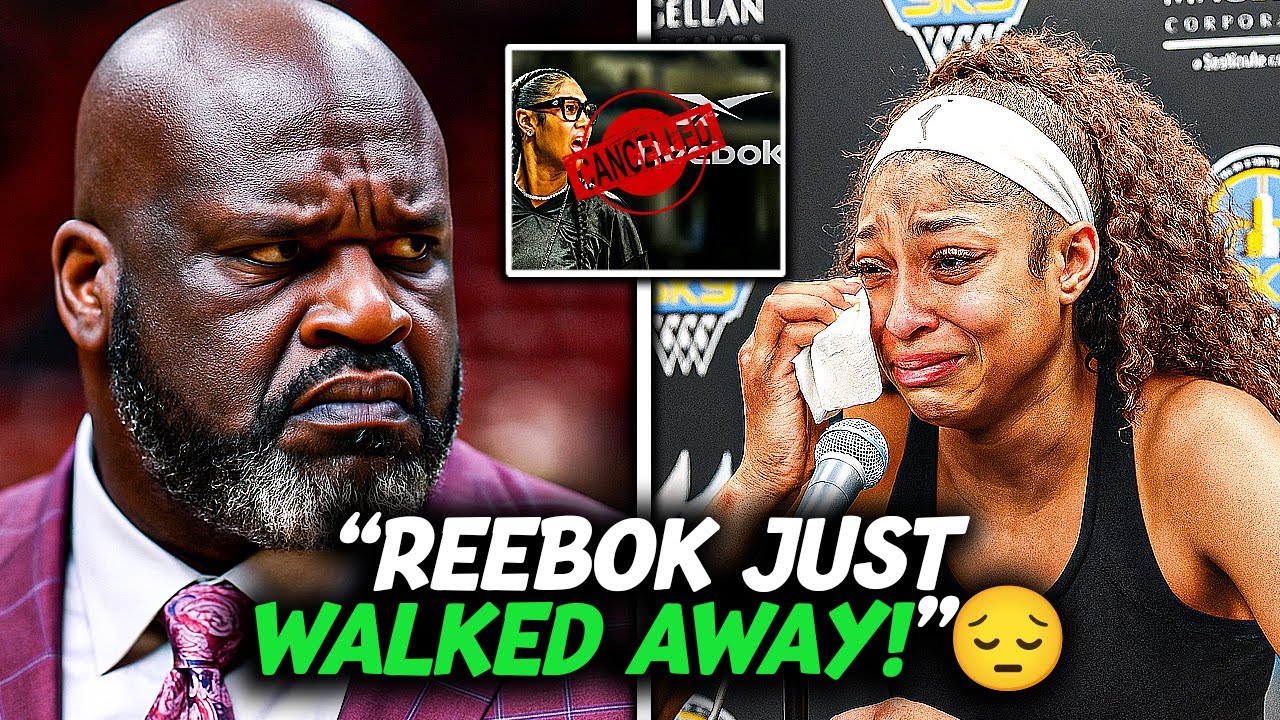
Just last year, Angel Reese was riding the wave of superstardom. The Chicago Sky phenom shattered rookie rebounding records and stunned fans with her assertive play. Reebok, recognizing her meteoric rise and magnetic charisma, handed her a multi-year endorsement deal complete with a signature shoe launch slated for 2026 — a defining moment possibly aligning Reese with the likes of basketball greats who carry global footwear lines.
The press release read like a love letter, celebrating her as the future face of women’s basketball and a beacon of the WNBA’s bright future. Reese herself tweeted her excitement, “God is so good. Looks like I can afford my bills now,” sprinkled with emojis of laughter and gratitude.
The Nightmare Unfolds
Yet, as 2025 unfolded, the reality on the court and the market quickly diverged from the hype. The Chicago Sky stumbled to a dismal 2-4 start, sputtering in the Eastern Conference, while Angel’s performance took a puzzling nosedive. Her shooting percentages dropped alarmingly, and her infamous technical fouls sparked controversies and suspensions, all widely viewed and critiqued across social media.
Fans and analysts alike began questioning if Reese could truly live up to the massive expectations placed upon her shoulders.
When Brand and Athlete Trajectories Collide
For Reebok, this downturn is more than a mere sports story; it’s a branding nightmare. The company’s gamble on Reese, involving lavish financial rewards and a signature shoe line, placed Reebok’s credibility on the line. Every subpar game and every off-court squabble reflected directly on the brand, causing a crisis of confidence among consumers.
The signature shoe, “Angel Reese 1,” a bold and gritty design promising to merge performance with style, has underperformed massively in pre-orders and social media reception. Critics lambasted the product launch, citing a disconnect between hype and reality, lack of innovation, and an identity crisis for the shoe itself.
Social Media Backlash and Cultural Fallout
The backlash wasn’t confined to sales figures. Fans and sneakerheads flooded X and Instagram with biting memes and scathing reviews. The narrative shifted from celebration to ridicule, turning every technical foul and missed shot into an indictment of Reese’s readiness and Reebok’s judgment.
Further complicating matters, Reese’s candid admissions about her locker room dynamics—suggesting a lack of support from teammates during her rookie year—exacerbated public perception of toxicity and internal discord. For a brand banking on unity and positive representation, this proved doubly damaging.
The Stark Reality of Athlete Endorsements
Angel Reese’s situation highlights the precarious nature of athlete endorsements in the digital and hypercritical age of sports fandom. Brands must balance hope and hype against durability and consistency, knowing that viral failures can be just as influential as viral successes.
Reebok faces a difficult crossroads: proceed with marketing a shoe line endorsed by an athlete whose momentum seems stalled, risking further brand erosion, or cut losses and renegotiate contracts at significant financial cost.
Lessons and the Road Ahead
The Angel Reese-Reebok saga serves as a cautionary tale for sponsors and athletes alike. While talent and charisma can spark initial enthusiasm, sustained performance and positive brand alignment are essential for long-term success.
Reese is still young and gifted, and many believe this rough patch is a formative phase. For Reebok, recalibrating marketing strategies and focusing on authentic engagement rather than sheer hype may help salvage the partnership.
Conclusion
Angel Reese’s viral struggles have paradoxically created one of the biggest challenges for Reebok in recent memory. What was meant to be a breakout moment has become a cautionary lesson on the volatility of sports endorsements in the digital era.
As the “Angel Reese 1” sneaker launch looms, Reebok’s leadership must navigate this complex storm, balancing hope for rebound against the realities of a brand on edge. Fans, critics, and industry watchers will be watching closely—not just the games, but every move in this unfolding drama.


