The line between sports and spectacle has always been blurred in the National Football League. Yet this season, a metaphor has taken hold that transforms the gridiron into something even larger than a game. Inspired by talk of a Pentagon rebrand into a so-called War Department, fans and analysts are now using the same imagery to describe football. Coaches are being painted as generals, players as soldiers, and stadiums as fortresses filled with citizens cheering for their armies. The Lombardi Trophy is no longer just a prize. It is the spoils of war, a symbol of supremacy in America’s greatest peacetime battlefield.
The rise of War Department football
The NFL has always borrowed language from combat. Analysts speak of trenches, blitzes, bombs, and battles. But with the War Department metaphor spreading across headlines and social media, the imagery feels sharper than ever. Each Sunday is now framed not as a collection of games but as a series of campaigns. Teams do not merely compete. They march, they invade, they defend, and they conquer.
The question echoing across fan bases is simple: who has the strength, the strategy, and the soldiers to survive this symbolic war for the Lombardi Trophy?
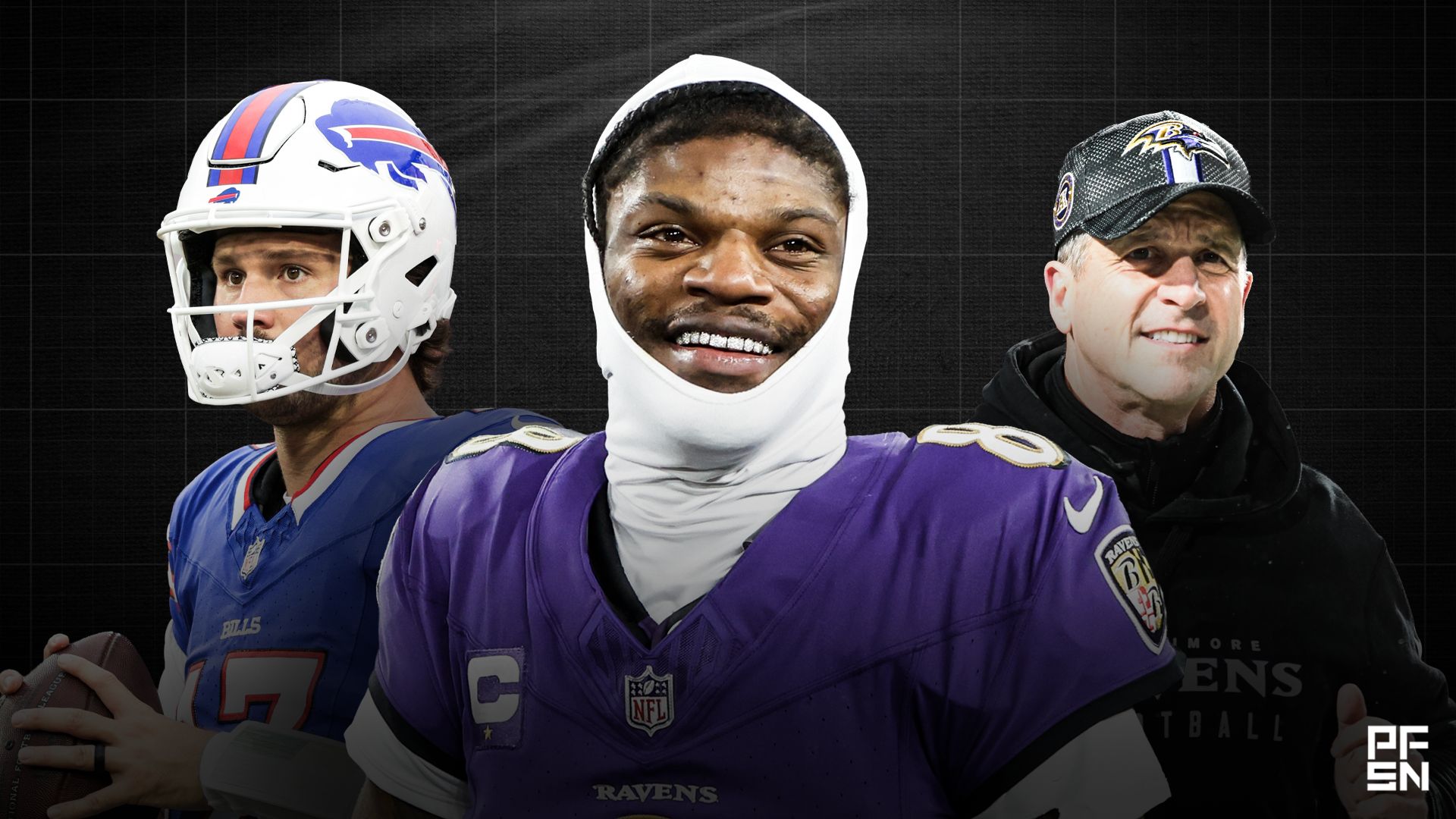
The Baltimore Ravens: special forces of the league
The Baltimore Ravens have embraced the War Department imagery more than most. Under John Harbaugh, they are known for discipline, aggression, and tactical surprise. Their quarterback, Lamar Jackson, is often described as a stealth weapon. His ability to vanish from collapsing pockets and reappear downfield for explosive plays resembles the precision of special forces.
The Ravens defense, steeped in a tradition of intimidation, is the fortified wall of this army. Rivals entering Baltimore face not just a team but a fortress, a disciplined unit that thrives on disruption. If War Department football is about speed, adaptability, and ruthlessness, then the Ravens look every bit like the soldiers built for it.
The Pittsburgh Steelers: infantry in black and gold
No team better fits the infantry identity than the Pittsburgh Steelers. Their history is built on tough, physical play, and their identity remains rooted in the trenches. T.J. Watt leads their defensive charge with the relentless drive of a battlefield commander. Every sack, every disruption, every hit feels like the pounding of boots across contested ground.
Coach Mike Tomlin embodies the no-nonsense general. His teams never collapse under fire. They march forward, step by step, refusing to yield. In the War Department narrative, the Steelers are the black-and-gold infantry regiment, proud, durable, and unafraid of long campaigns.
The Buffalo Bills: air power unleashed
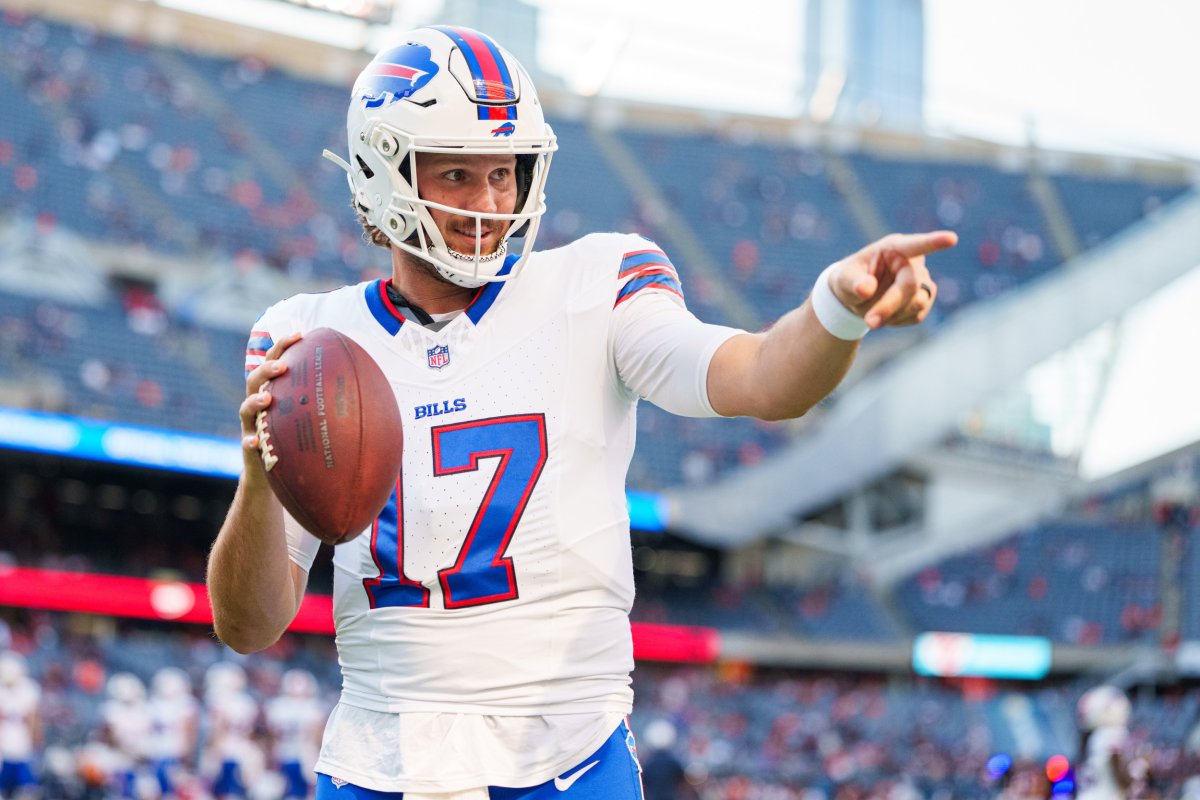
If the Steelers are ground troops, the Buffalo Bills are the air force of War Department football. Josh Allen is the quarterback with a cannon for an arm, launching footballs across the field with the force of missiles. Stefon Diggs streaks downfield like a fighter jet, delivering devastating strikes deep into enemy territory.
Bills fans, known as Bills Mafia, have embraced the metaphor with passion. They imagine their team as an aerial squadron, dropping points from the skies in relentless raids. In a league where explosive offense is essential, the Bills may be the most dangerous of the air divisions.
The Kansas City Chiefs: dynasty as a global power
Every war narrative requires a superpower, and the Kansas City Chiefs fill that role. Patrick Mahomes is the supreme commander, capable of improvising strategies in real time and bending the rules of battle to his will. Travis Kelce is his trusted lieutenant, always in the right place to deliver decisive blows.
The Chiefs’ offense has been described as an arsenal, filled with weapons that can overwhelm any defense. Their repeated Super Bowl victories have elevated them to the status of dynasty. In the War Department metaphor, they are the global power projecting dominance wherever they travel. To defeat them is not just to win a game but to topple an empire.
The fans as the citizen army
The NFL is nothing without its fans, and in this narrative, they become the citizen-soldiers. Every jersey purchased, every chant shouted, every stadium filled is an act of loyalty to the cause. Stadiums roar like barracks overflowing with soldiers, their voices creating the noise of artillery that rattles opponents.
In Buffalo, fans slam through tables as acts of battlefield ritual. In Pittsburgh, the Terrible Towels wave like banners carried into battle. In Baltimore and Kansas City, the chants echo like war cries. This citizen army fuels the morale of the troops on the field and ensures that every Sunday feels like a national event.
Coaches as field generals
While the players execute the plays, the coaches design the strategies. They are the generals in this metaphorical war. Andy Reid is the master tactician, deploying his Chiefs like a global superpower. John Harbaugh is the adaptable commander, changing course mid-battle to find victory. Mike Tomlin is the iron-willed leader whose troops never retreat. Sean McDermott builds his Bills with the discipline of a military engineer, structuring both offense and defense like a fortified base.
The pressure on these generals is immense. Each decision becomes a command that could mean victory or defeat. Each failed strategy becomes a lost campaign.
The Lombardi Trophy as the ultimate prize
At the heart of this War Department narrative lies the Lombardi Trophy. It is the crown jewel, the symbolic fortress every army seeks to capture. Winning it is not merely about being the best team. It is about survival, dominance, and supremacy in a season-long war.
Only one team can claim it. The others fall by the wayside, their campaigns remembered as brave but unsuccessful. That is why the imagery of war resonates so deeply. In football, just as in conflict, there can be only one victor.
The dangers of the metaphor
Not everyone is comfortable with equating football to war. Critics warn that it trivializes real conflict and the sacrifices of soldiers. They caution against glorifying violence in a sport already under scrutiny for player injuries and long-term health issues.
Yet for fans, the War Department narrative is symbolic rather than literal. It is a way of capturing the passion, strategy, and intensity that make the NFL America’s most popular sport. It is theater, not tragedy, and it transforms every Sunday into something that feels larger than life.
Who will survive this season’s war
As the season marches forward, the question becomes which of these symbolic armies will endure. Will the Ravens use their speed and unpredictability to outmaneuver rivals? Will the Steelers grind opponents down with trench warfare? Will the Bills dominate the skies with their aerial strikes? Or will the Chiefs continue their reign as the global superpower of football?
The answers will come not in press conferences but on the field, where every yard gained or lost is a piece of contested ground. The War Department metaphor may be dramatic, but the stakes in football have always felt like battle.
Conclusion
The shocking rebrand from Pentagon to War Department has inspired fans to reimagine football as America’s most compelling battlefield. The Ravens, Steelers, Bills, and Chiefs are no longer just teams. They are armies with generals, soldiers, and strategies. The Lombardi Trophy is no longer just a prize. It is the fortress to be captured, the victory that crowns a champion.
As fans fill stadiums and teams clash week after week, the question remains: who will survive this war for the Lombardi? In this theater of combat, only one will stand victorious, raising the trophy as proof of a campaign completed and a war won.


