When Brett Favre walked into a congressional hearing this past January, no one could have predicted the emotional revelation he was about to deliver. The Green Bay Packers legend, known for his ironman streak and unrivaled toughness on the field, revealed that he had been diagnosed with Parkinson’s disease after noticing troubling symptoms in his right arm.
The three-time NFL MVP described everyday struggles — simple tasks like threading a jacket sleeve or steadying a screwdriver suddenly becoming nearly impossible despite his strength remaining intact. For a man who built his career on precision, grit, and resilience, the admission marked the beginning of a very different fight.
A Warrior on the Field, A Fighter Off It
Brett Favre is no stranger to adversity. Over the course of his two-decade career, he became synonymous with toughness, playing through injuries that would sideline almost anyone else. Broken fingers, sprains, and even concussions couldn’t keep him from suiting up on Sundays. His record 297 consecutive starts at quarterback remains one of the most untouchable streaks in NFL history.
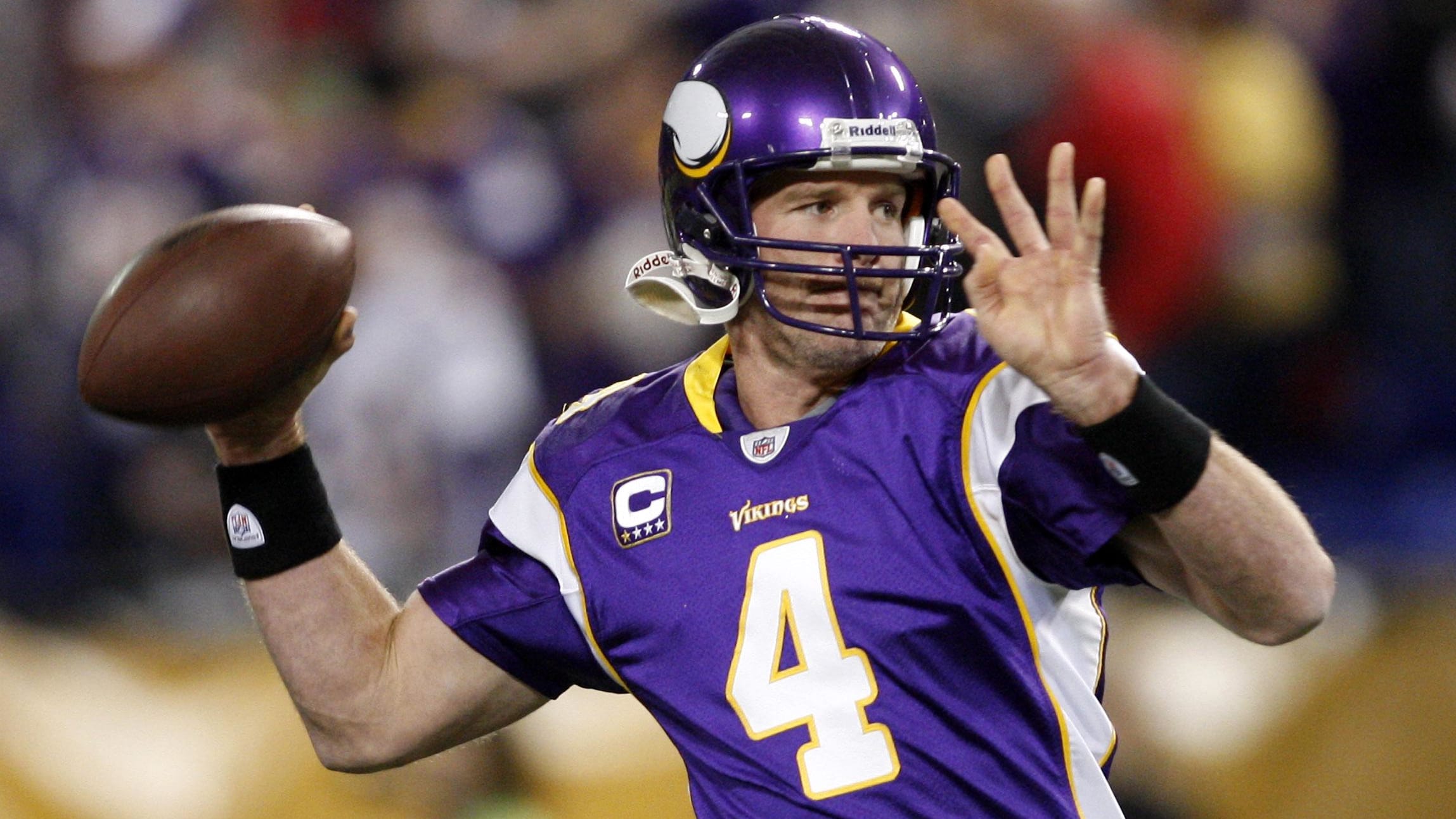
Yet in his testimony, Favre admitted that Parkinson’s has challenged him in ways no linebacker ever could. “You still feel strong, but your body doesn’t listen the way it used to,” he explained.
The Symptoms That Raised Red Flags
Favre recalled that the first signs appeared in his right arm. He struggled to guide it into a sleeve, and later, while doing chores around the house, he couldn’t keep his hand steady enough to drive a screwdriver. At first, he dismissed these episodes as minor annoyances, chalking them up to aging or lingering injuries.
But as the symptoms worsened, he sought medical evaluation. Doctors confirmed what he feared: Parkinson’s, a progressive neurological disorder that affects movement, balance, and motor control.
Courage on Display in Washington
Favre chose to make the diagnosis public during a congressional hearing — not a press conference, not a private statement. That decision underscored his intent: to use his platform to raise awareness and potentially influence policy.
Lawmakers and observers noted how composed he remained as he spoke. There was no self-pity, only honesty and determination. “I spent my career fighting for every yard. Now I’ll fight this disease with the same heart,” Favre declared.
What Parkinson’s Means
Parkinson’s disease is a degenerative disorder of the central nervous system. It affects nearly one million people in the United States and has no known cure. Treatments can manage symptoms, but the condition often progresses over time, impacting quality of life.
Favre’s openness has brought renewed attention to the disease, and advocacy groups have already hailed his decision to speak out as a critical moment for awareness.
The NFL Brotherhood Responds
The news rippled through the NFL community almost instantly. Former teammates, rivals, and fans flooded social media with messages of support.
Aaron Rodgers, who succeeded Favre in Green Bay, wrote: “Brett was my toughest competitor and greatest teacher. Now he’s teaching us all how to face life’s toughest battles with courage.”
Other Hall of Famers echoed that sentiment. Jerry Rice called him “a warrior who never backed down.” Peyton Manning said Favre’s story was “another reminder that heroes still walk among us.”
A City and a Fan Base United
In Green Bay, where Favre’s legacy is etched into every brick of Lambeau Field, fans gathered to send prayers and messages. Cheeseheads held up signs reading “Forever Our QB” and “Favre Strong.”
For a community that watched him bring a Super Bowl back to Titletown, this latest chapter feels personal. “He gave us joy for years. Now it’s our turn to give him strength,” one fan told the Milwaukee Journal Sentinel.
Favre’s Legacy Beyond Football
Favre’s story is not just about touchdowns and trophies. He grew up in Kiln, Mississippi, and carried that small-town resilience into the NFL. Over the years, he’s supported numerous charitable causes, from youth sports to rebuilding efforts after Hurricane Katrina.
Now, many believe his advocacy for Parkinson’s research could become his greatest legacy. Already, organizations are reaching out to partner with him on awareness campaigns and fundraising efforts.
Facing the Future
Doctors cannot predict the exact course of Parkinson’s, but Favre remains optimistic. He emphasized that he will continue to live fully, spend time with family, and stay active. “I’ve never walked away from a fight, and I won’t start now,” he said firmly.
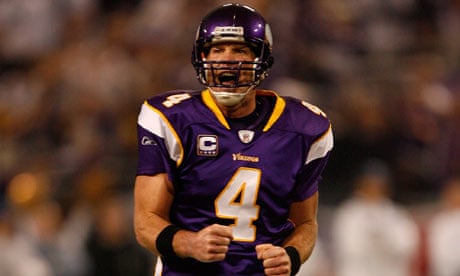
Favre’s determination mirrors the same grit that defined his NFL career. While the field may be different, the mindset remains unchanged: line up, take the snap, and keep pushing forward.
A Hall of Famer in Every Sense
The Pro Football Hall of Fame describes its members as men who “represent the highest level of excellence.” Favre has now proven that excellence isn’t limited to wins or records — it extends to courage in the face of life’s toughest challenges.
As the NFL community rallies behind him, Favre’s story becomes a lesson in strength, vulnerability, and leadership. His willingness to go public with his diagnosis may inspire countless others battling the disease in silence.
Conclusion: A New Kind of Rivalry
For decades, Brett Favre was the ultimate competitor, taking on rival defenses and leading his team with unmatched intensity. Today, he faces a different rival: a disease that tests his body and spirit in new ways.
But just as he did on the field, Favre isn’t backing down. His message is clear: Parkinson’s may be a tough opponent, but he’s still the same quarterback who played through pain, lifted his team, and inspired millions.
To his fans, teammates, and even his old rivals, Favre’s courage reminds us of what it means to be truly great — not just in football, but in life.


